Showing posts with label shopping addiction. Show all posts

Wednesday, September 14, 2016

Shopping for Clothes--Passion or Addiction?

More than two hundred years ago the poet, William Wordsworth, wrote, “The world is too much with us; getting and spending we lay waste our powers.” 

Many women in long-term recovery would agree with him. Long after we gave up the drink or pills or food we are still –maybe secretly—struggling with too many trips to the mall or late night online shopping carts--and painfully joking that, “My name is Diane and I am a
shoe addict.”

Yes, it may be true that no one dies from a shoe overdose but it’s also true that we are not “happy, joyous and free” when we are ashamed or afraid because of our money or shopping issues.

This time of year is a delight for those who love clothes, and maybe a minefield of triggers for those who over spend or who are still crafting an identity in recovery. The fall fashion magazines are fat with dreams and danger, and they, of course, luring us to shop.

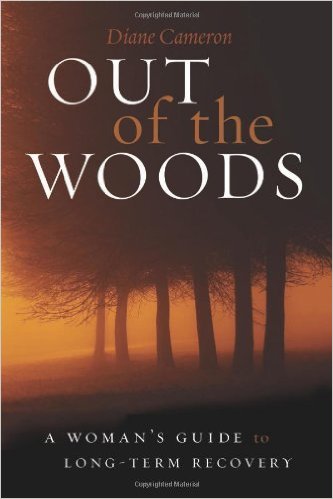
In “Out of the Woods”, my book for women in long-term recovery, I write about clothes, and shoes and even how some women may use/overuse cosmetics in recovery. It’s light-hearted but also deadly serious. As our growth continues it can be easy to switch from a chemical addiction to a behavioral one. It’s all about our motives, and honesty, and self-care and how crucial it is to keep talking to other women in recovery.

(Yes, I too have spent time in a meeting checking out another woman’s clothes instead of listening to the speaker’s message.) 

I love clothes and that is no longer something I feel shame about. Style and fashion are art forms and passions, and like any other passion they have an exciting, enriching side and also a dark, worrisome side.  We need to have ongoing vigilance about all parts of our lives and that can mean both emotional and sartorial inventories. 

Shopping and clothing are women’s issues and that means they are issues for women in recovery as well. We are all included—my sisters who shop too much, and those who fear the mall and the mirror as well. The good news is that if we talk about it we can laugh and heal at the same time.

***
Sunday, June 29, 2014

Is Shopping an Addiction?

Mark Muldoon has coined the term “ambient addiction” to speak of those things that surround us in our daily lives –that are “normal” until they become a distraction or a drug—taking us out of ourselves.

We can all name some of them: coffee, ice cream, baked goods, television, Facebook and other social media. We even talk about “bingeing” on new TV shows, and going through “withdrawal” if we do not have our morning coffee right on time. You could make the case that food –especially coffee and sugar—is a chemical addiction because there is a chemical reaction in our bodies with these food/drugs.

But what about shopping? Can shopping be an addiction?

I’m asking, of course, because I love clothes and shoes and accessories. Always have. When I had less money I shopped at Goodwill and consignment stores, when I have more money I shop at Macy’s, Nordstrom and yes, online. Online shopping has a deep intersection with Internet addiction because we both use the same technology and we are baited to shop by online ads, Facebook posts, and by emails from our favorite retailers with discount coupons. (Does anyone ever pay full price at Ann Taylor?)

So yes, shopping can take up time, it can interrupt family life or creative work, it’s a distraction and a wonderful method of procrastination. Fashion magazines are like drug dealers, “What you need this summer.” “What every stylish woman has to have.” But is it an addiction?

Some social scientists would say yes. Those who do the brain research will say that shoppers get a hit of adrenaline and that their brains light up in the same places for both cocaine and a 75% off sale at Saks. So biochemically, it’s possible.

But what about culture? How we look, and issues of style and costume are cultural. Gender approaches to clothing and the quite genuine language of clothing have been studied and dissected. I love all of that. But yes, I also love that sale at Saks—and that has little to do with a PhD in American Studies or Material Culture.

What gives me a clue that my shopping has addictive tendencies is that way that I think and my language. (Language is the tool of thought and we know that with other kinds of recovery, “We come for the drinking and stay for the thinking.”)

Want a mini test to see if your thoughts about shopping are addictive? Try this. Have you ever said to yourself any of the following?

“I don’t really need anything, but I’ll just go look.”

“Wow, that’s a huge discount, so maybe I should stock up.”

“I can stop shopping, I’m in control, I’m making a choice” (as your car swings into the mall parking lot again)

“This will be the last one. After this I won’t need anymore shoes, bags, scarves, earrings.”

“It can’t hurt to look” (and later you are in the car with bags and receipts—and regrets.)

The regrets and remorse are big clues. If you are driving home from shopping filled with joy or opening a package from UPS with delight-- that’s one thing. But if the feeling is dread or regret or shame—then maybe it’s another addiction


Tuesday, April 01, 2014

The World is Too Much with Us

More than two hundred years ago the poet, William Wordsworth, wrote, “The world is too much with us; getting and spending we lay waste our powers.”

Many women in long-term recovery would agree with Wordsworth. Long after we gave up drink or pills or food we are still, often secretly, struggling with how we handle money, how much we shop, too many trips to the mall and painfully joking that, “My name is Diane and I am a shoe addict.”

Yes, it may be true that no one dies from a shoe overdose but it’s also true that we are not “happy, joyous and free” when we are obsessed, ashamed or afraid because of our money or shopping issues.

In the new book, “Out of the Woods” I write about clothes, and shoes and even ways that woman use cosmetics in recovery. It’s light-hearted but also deadly serious. Our growth simply continues and it can be easy to switch from a chemical addiction to a behavioral one. It’s all about our motives, honesty, self-care and talking honestly to other women in recovery. (Yes, I have spent time in a meeting checking out another woman’s clothing instead of the speaker’s message.)

In Chapter Nine of “Out of the Woods” I write about all the inventories I have taken: moral, emotional and sartorial. Yes, shopping and clothing and taking care of our appearance are women’s issues and they are recovery issues. The growth never stops –that can be bad news or good news. But the really good news is that we can laugh and heal at the same time.

Saturday, January 04, 2014

Shopping and God

I pray and I shop. I shop and I pray. I pray about my shopping. I shop to help me pray.

Yes, that last bit is true. I buy books on spirituality and prayer. I have crosses and spiritual jewelry, Buddha necklaces, bracelets of sacred beads, OM necklaces. I have a library of self-help and spiritual books, statues of Mary, beautiful posters and paintings. And twenty-five Hermes scarves.

At Kripalu and Omega we are in workshops. We are giving up, we are letting go, we are embracing the nothingness, we are shedding our need to consume, we release our materialism. We fold up our pillow and replace our black canvas “Backjack” chair and we are congratulating ourselves on our new freedom from needing things. It’s OK, I can live with what I have.

And then we are hitting the gift shop like we are starved people in a grocery store. Necklaces, books, bracelets, scarves, rubber mats and CD’s. We can’t get enough.

I have spiritual practices: prayer, meditation, sacred reading, chanting, twirling and yoga. And I have shopping practices: a new budget, spend more in cheap stores, spend only in good stores, imitate the French women, imitate the poor, only buy thrift and consignment, care more, care less.

For a year I have practiced “One In-One Out”—meaning that everytime I bring home a new item a like item has to go out. If I buy a new skirt I have to give away a skirt, boots for boots, shoe for shoe. Only underwear and sox really wear out. This “One In-One Out” practice is hard. I have to think. Sometimes it gives me regrets. Something’s got to go. Sometimes, but not often enough, it stops me when I’m in a store: “Am I willing to give something up for this?” And sometimes I’m surprised that I can easily toss what was so needed, so necessary, just a month ago. What does that tell me?

There’s an emptiness when I want to shop. If I get quiet in a store I can feel it. When I think that the bracelet or the boots will do something for me it’s the same emptiness that calls for cake, bread, red licorice or an extra serving of pasta. That same part of me that used to call for a Long Island Iced Tea, a Kahlua and Cream, a glass (or three) of wine. It is the same deception, the same wheedling voice that says, “This one, this one, yes, this one will make you feel better.” And truly deceptive, “If you get this one you won’t need another.”

What if I just stayed with that emptiness? What if I just sat still and allowed that feeling to cover me? What if I let it wrap itself around me the way I would wrap that pretty infinity scarf around me again and again? If I just stayed with that feeling where would it go?

Isn’t that the very issue: the fear of where it might go? We tell people in AA “Sit still and feel”, we advise in OA, “Sit on your hands”, we tell the lover of the married man, “Give someone else your phone, do not text.” We say to anyone with an addiction, “Move a muscle, change a thought.” And, “Feelings are not facts.”

Does this wise advice apply to shoes, boots and beautiful bags? Does it include the nearly perfect, leather, cross-body messenger bag I saw today?
Well, does it?